
A Petition for the Dying Review: A Grim Western Survival Drama of Plague and Fire
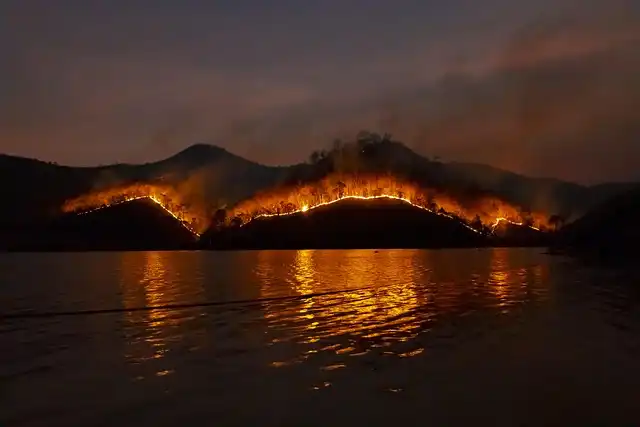
Dara Van Dusen's debut film explores a 19th-century Wisconsin settlement ravaged by diphtheria and wildfires, anchored by powerful performances from Johnny Flynn and John C. Reilly.
The rolling grasslands of Slovakia stand in for the levels of 19th-century Wisconsin in “A Petition for the Dying,” though the spiritual setting of Dara Van Dusen’s unrelenting western lies in some remote outpost in between anywhere and nowhere. As a small country settlement is swiftly and ruthlessly stripped bare by the twin plagues of a diphtheria epidemic and spreading out wildfires, the film ultimately descends into a near-literal hellscape, though even when anarchy takes over on display, Van Dusen’s formal control never wavers. The starriest prospect in Berlin’s Viewpoints competitors for initial attributes, it’s an imposing, ascetic debut, supported by efficiencies of formidable grit and commitment from Johnny Flynn and John C. Reilly.
A Community Under Siege by Disease
A struggled woman, wincing and coughing and gnarled by condition, is located in a field on the side of town. Guterson detects diphtheria, relentless and contagious, however informs just Jacob– together, they hope it’s an isolated instance. “A Petition for the Dying” reveals itself early, with its thin, baleful atmospherics, as a story where hope goes unrewarded. Marta, a lot more pessimistic and aggressive than her hubby, asks that they leave straight away, Jacob feels a grim responsibility of treatment to the townspeople, even as he shields them from the direct reality of what they are encountering. The condition spreads. The sky reddens. Imminent shows up a woolly shadow of smoke from a remote wildfire. It doesn’t remain remote for long.
It begins in an infernal covering of orange haze, introducing filthy, wild-eyed Jacob Hansen (Flynn) as he aims a rifle at the blurred, burning world around him– while the video camera slides through the haze with the creepy, disembodied quality of a first-person shooter game. A title card defines the year as 1870, a few years after the end of the Civil Battle, but can that be? Everything on display suggests the globe has actually met its manufacturer.
Jacob, fresher-faced and much better kempt, is a brave Norwegian inhabitant and Civil Battle professional in the brand-new frontier community of Relationship, Wisconsin, where he lives with his partner Marta (Kristine Kujath Thorp) and their newborn little girl. Theirs is a neighborhood so tiny that Jacob does triple task as its constable, undertaker and preacher, duties that conditions will shortly consolidate in miserable fashion.
Directorial Vision and Cinematic Style
An indigenous New Yorker currently based in Norway, Van Dusen properly brings a mix of ruggedly American and Euro-arthouse sensibilities to a tale with a burned whiff of Cormac McCarthy to it– though it remains in reality adapted from a 1999 work of historic fiction by Stewart O’Nan that looks instead prescient from a 21st-century viewpoint. It’s difficult not to view this parable of a public wellness situation worsened by misinformation and environmental calamity through a post-COVID lens. That lends contemporary seriousness to a starkly genuine period piece, while likewise making it a potentially high-pressure salesmanship to audiences wary of end-of-days pandemic visions. Regardless, it promises yet larger points from its sternly concentrated writer-director.
Yet it’s the movie’s below-the-line contributors who really tighten the screws, beginning with DP Kate McCullough. An ASC Spotlight nominee for her ventilated, glowing work with Irish Oscar nominee “The Quiet Girl,” she works below in an even more confined, claustrophobic register, utilizing Academy proportion, a nonessential palette progressively stripped of any verdant opportunity, and an effective propensity toward edgy whip-pans as the situation gets worse.
The rolling grasslands of Slovakia stand in for the plains of 19th-century Wisconsin in “A Petition for the Dying,” though the spiritual setup of Dara Van Dusen’s unforgiving western lies in some remote station in between anywhere and nowhere. As a little country settlement is swiftly and ruthlessly removed bare by the twin plagues of a diphtheria epidemic and spreading wildfires, the film at some point descends right into a near-literal hellscape, though even when anarchy takes over on screen, Van Dusen’s formal control never fluctuates. The starriest possibility in Berlin’s Viewpoints competition for very first functions, it’s an imposing, ascetic launching, braced by performances of awesome grit and commitment from Johnny Flynn and John C. Reilly.
Stellar Performances and Technical Craft
In his punchiest big-screen display because 2017’s “Beast,” Flynn maps Jacob’s interior spiritual collapse with ever before even more upset delivery and gradually weary body language, his stance shifting from that of a bluff, sturdy guard and male of individuals to darting, desperate survivalist. As the town’s man of science and reason, Reilly– an actor that, complying with in 2015’s “Heads or Tails?,” looks and sounds entirely in your home in the world of unique duration Americana– is a steadily paternalistic presence up until, instantly and vulnerably, he isn’t any longer, and a soul-sinking derangement takes over.
Jan Kocman’s slow-pulsing score coordinates perfectly with Gustaf Berger and Jesper Miller’s audio style in its sparseness, the landscape seeming to squeak and resemble as it depopulates. Furthermore, manufacturing developer Hubert Pouille’s blocky, timber-built frameworks aptly have a toy-town high quality to them, as if they went up simply the other day, and can be damaged equally as rapid by malevolent all-natural pressures. In “A Prayer for the Perishing,” male is plain kindling.
Lean and laconic and driven more by anxiousness than occurrence, Van Dusen’s manuscript doesn’t adopt shocks or conventionally developing tension, not least given that the film’s prologue has already shown us where it’s all apocalyptically headed. It’s a nervy, perceptive exam of the denial and fatalism toward which also community leaders can be inclined at minutes of inescapable risk– an important, also Biblical, variant of the old horror-film trope that invites the audience’s queasy, powerless resistance to a personality’s most patently suicidal decisions.
An indigenous New Yorker now based in Norway, Van Dusen duly brings a blend of ruggedly American and Euro-arthouse perceptiveness to a tale with a burned whiff of Cormac McCarthy to it– though it’s in truth adapted from a 1999 job of historic fiction by Stewart O’Nan that looks rather prescient from a 21st-century vantage point. Marta, a lot more cynical and proactive than her hubby, asks that they leave directly away, Jacob really feels a grim responsibility of care to the townspeople, even as he shields them from the straight fact of what they are dealing with.
1 Dara Van Dusen2 Diphtheria epidemic
3 Historical fiction
4 Johnny Flynn
5 latest neo-Western drama
6 Survival drama
« The Exiles: Midi Z’s English-Language Crime Thriller with Worthington & Wu